WE POWER
OFFSHORE OPERATIONS WITH CLEAN ENERGY

Reliable offshore charging systems for modern marine operations

[  Technologies  ]

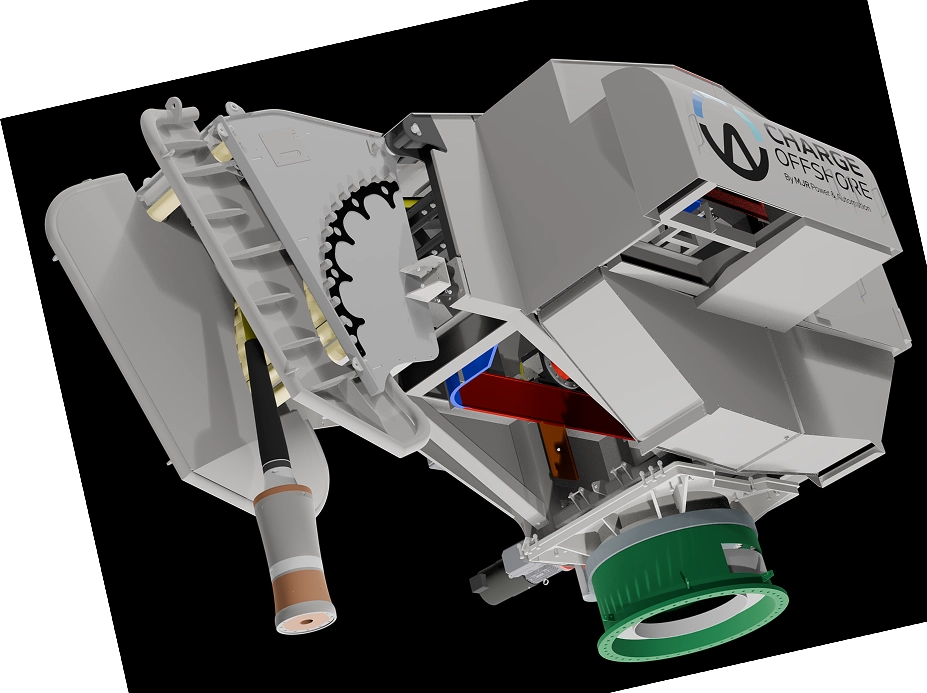
Fully Automated Charging Technology, Built for Operational Safety, Low CAPEX, Low OPEX and Resilience to Offshore Environment

techonology-1st-image
technology-image

Charging Performance

Multi MW rapid 1 to 3 hours typical charge time

technology-image

Charging Power Range

(0.5–8 MW)

Up to 93% energy transfer efficiency

Voltage Interface

Charge voltages to vessels: 600V to 11kV AC or DC

Offshore Rated Design

Offshore Compliant Design: Charging possible in sea states > crew and cargo transfer limits. Fully automatised hands-free operations. -20to 50 degC operating range.

technology-image

Rapid mobilisation

< 1 day

technology-image

[  How it Works  ]

See How Our Safety-Focused System Delivers High Sea Performance with Zero Manual Intervention.

process-image
process-image

[  Work Process  ]

( 01 )

Booking and Access

The vessel operator books a charging slot and requests Charger access from the onshore Marine Control Centre (MCC) to begin the operation coordination.

MCC

Remote coordination

Slot Booking

Scheduled access

Secure

Authorized request

process-image
( 02 )

Environmental Verification

Built-in compensation and safety functions validate connection capability in met-ocean conditions, exceeding limits for standard personnel transfer operations.

High Sea

Capable design

Automated

Safety checks

Extended

Operational window

process-image
( 03 )

Vessel Positioning

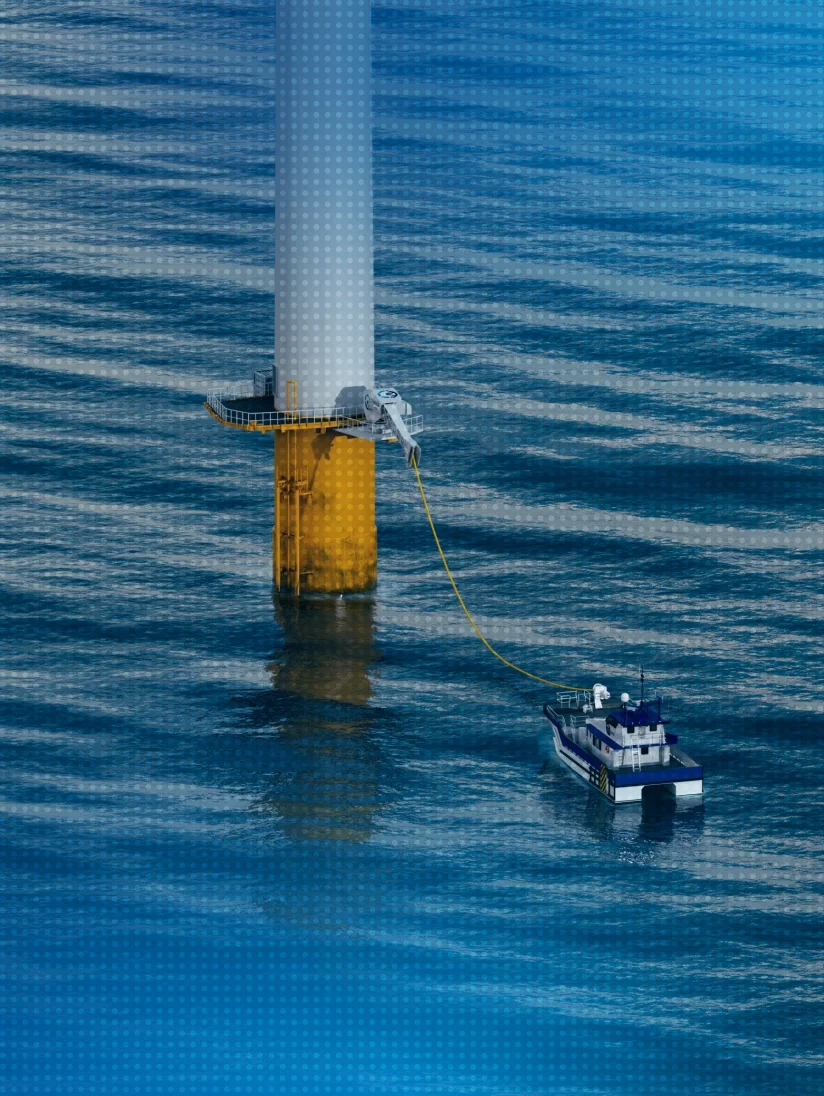
The vessel positions itself downwind of the charging site at a safe distance (approx. 15m steel to steel), or in case of smaller CTVs can also utilise "push on" mode.

~15m

Safe distance

Push-on

CTV mode capability

Precise

Approach phase

process-image
( 04 )

Hands-Free Connection

A fully remote, highly automated connection process is executed without personnel on deck at any stage, minimizing human error and risk.

Zero

Personnel on deck

Remote

Fully controlled process

Automated

Robotic connection

process-image
( 05 )

Moving to safe Charge position

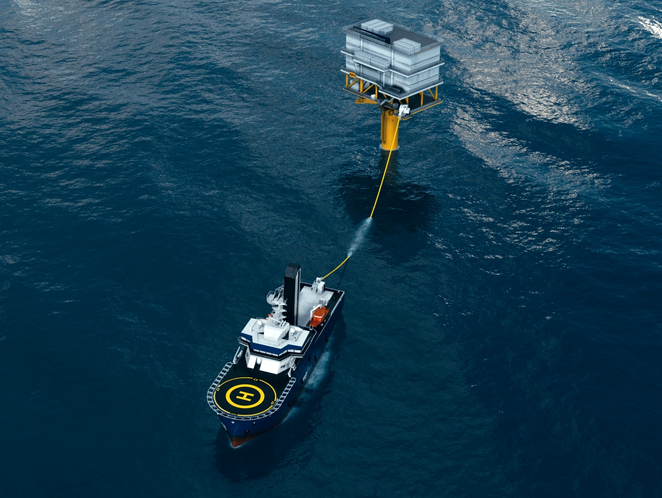
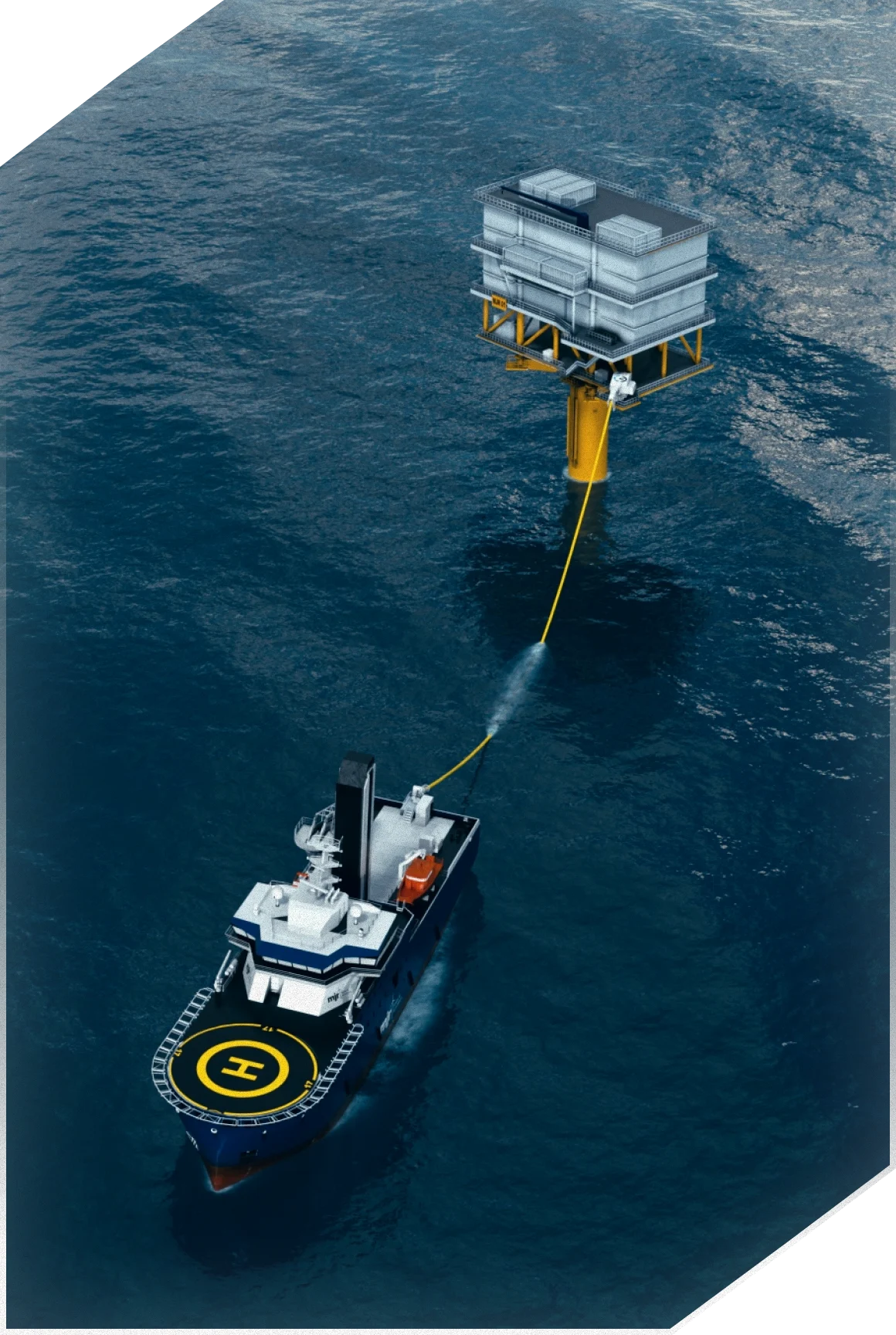
The vessel moves to a safe downwind charge position while the reeler system automatically pays out and controls the cable catenary length.

30m - 100m

Standoff range

Auot-Reel

Cable payout control

Downwind

Safe positioning

process-image
( 06 )

Charge Power Transfer

The vessel switches to economical position keeping mode, and the Master remotely powers up the umbilical to initiate the charge cycle.

Minimal

Thrust required

Remote

Power up initiation

Efficient

Station keeping

process-image
( 07 )

Dynamic Tension Control

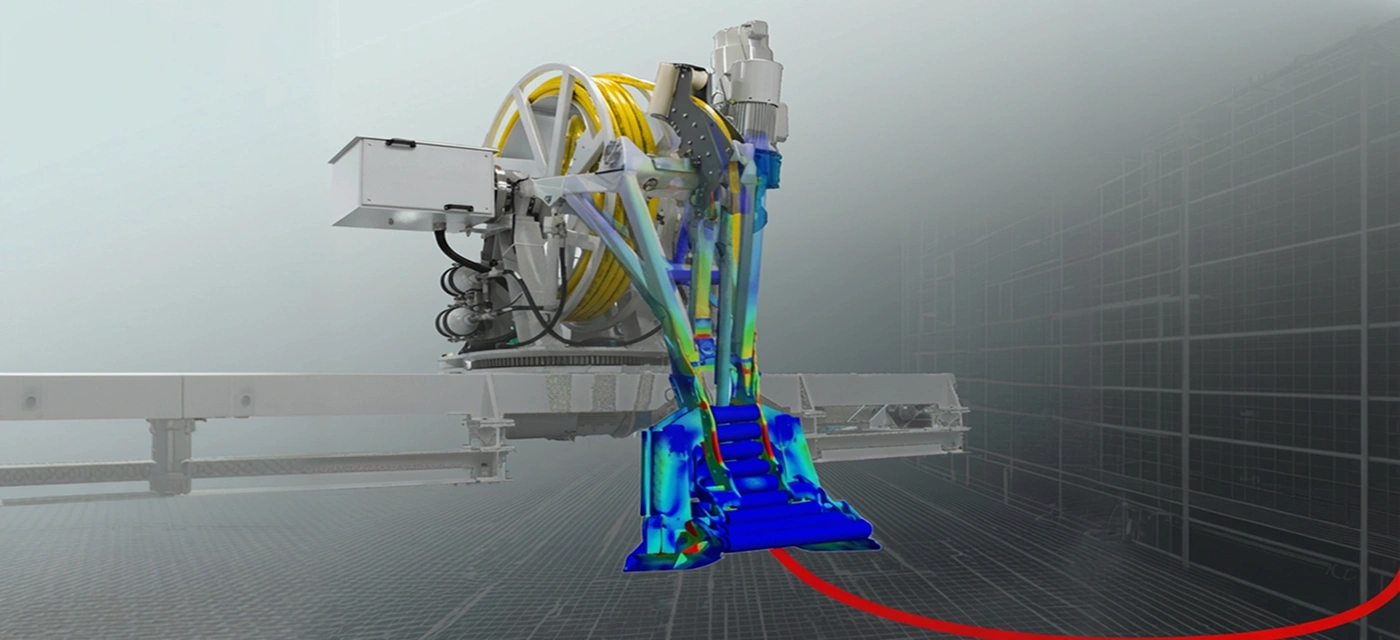
The active reeler system automatically maintains charge cable tension below preset thresholds, adjusting the catenary dynamically to prevent mechanical stress.

Dynamic

Tension monitoring

Active

Catenary adjustment

Safe

Low stress loads

process-image
( 08 )

Weather Vaning Capability

The reeler slew function permits vessel weather vaning, allowing operations in varying directions and guaranteeing a safe drift path if failures occur.

Close to 360°

Slew capability

Safe Drift

Failure mode path

Weather

Adaptable operation

process-image
( 09 )

Manual Release Capability

The Master can instantly release the subsea-rated connector at any time. It is ejected and reeled back to the asset, ready for immediate re-use.

Instant

Manual release

Sub-sea rating

100m depth qualified connector

Rapid reset

No maintenance after ejection

process-image
( 10 )

Automatic Failsafe

During a blackout or malfunction, power is instantly shut down and the connector releases passively or via command upon overload detection.

Passive

Overload release

Instant

Power shutdown

Failsafe

System protection

process-image
( 11 )

Cycle Completion

At the end of the charge cycle, the Master/DP operator de-energizes the system and maneuvers the vessel back towards the asset.

Cycle End

De-energize system

Maneuver

At safe distance from Asset

Controlled

Instant ejection

process-image
( 12 )

Connector Recovery

Following disconnection, the connector is automatically reeled back to a safe and protected storage position, ready for the next charge cycle

Safe

Spash zone management

Automated

Recovery reeling

Secure

Stowed position

process-image
( 13 )

System Handback

Once the operation is complete and the system is secure, the Master hands back command of the Charger to the onshore Marine Control Centre.

MCC

Control hand back

Charge system

Safe & de-energised

Ready

For next charge cycle

process-image

[  System Capabilities  ]

A fully automated compact system designed for rapid charge cycle and reliability

Economical Operation

process-image

Economical Operation

Engineered for cost-effective performance, our system significantly reduces operational expenses (OPEX). By combining robust, low maintenance components with a smart design, we ensure reliable power transfer that minimizes costly downtime and service intervals.

process-image

High sea state workability

Large operational window: Vessel connection and charging possible in sea states higher than personnel and cargo transfer limits

process-image

Compact Footprint

Compact and modular charging equipment for rapid and economical mobilisation and hook up

process-image

Hands-Free Operation

Fully  remote controled and highly automated charging process. No personnel required on deck at any time, from connection to charge cycle and disonnection.

process-image

Safety Focused

Inbuilt redundant active and passive safety features guaranty integrity of vessel and asset in normal, degraded and black out modes.

process-image

Low Maintenance

System is built with  marine grade components proven for reliability in offshore environment. Equipment is designed for ergonomic and safe access to any parts that require maintenance or replacement.

process-image

Operational Security

Charger weathervaning function ensures the vessel can connect and charge while remaining in safe "drift away" position of the asset at all times.

process-image

Fully Automated Cycle

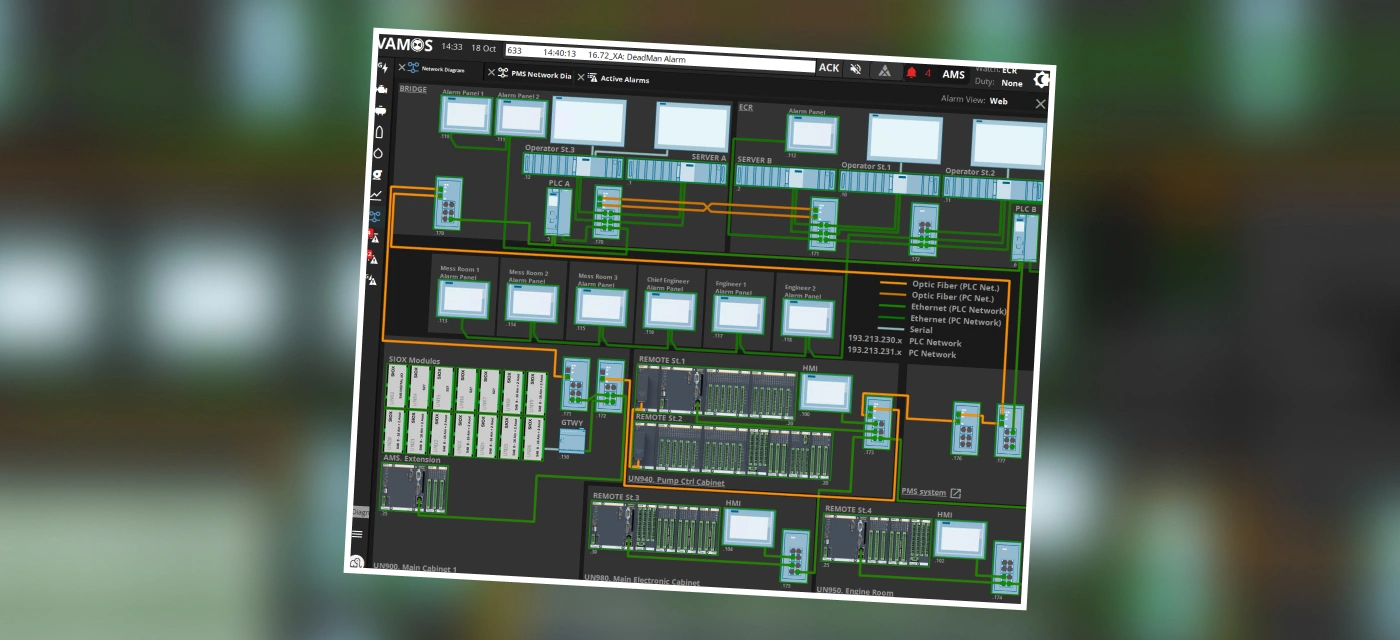
Inbuilt control system ensures Master/Operator can manage all charging operations from the bridge console and Onshore Marine Control Centre maintains live visibility on all charger parameters, warnings and alarms, including  power transfered for billing purpose.

process-image

Instant Emergency Release

Redundant active and passive ejection systems allow vessel to be freed from asset in less than 3 seconds in case of any emergency or overloading.

01

02

03

04

05

06

07

08

09

/ 09

matter-image

[  Why it Matters  ]

Offshore charging provides a practical pathway to electrify wind farm O&M fleet operations by integrating directly with the offshore grid network. It improves OPEX & operational efficiency, reducing emissions and enabling fully electrical O&M operations in demanding offshore environments.

[  Charge Offshore  ]

Formed by a consortium of leading businesses to bring offshore power and charging to market, Charge Offshore combines decades of experience in mission critical offshore power and automation systems design with high-end mechanical engineering and vessel/marine operations. With a strong track record across commercial marine, renewables, offshore energy, subsea engineering and operations, Charge Offshore is a safe pair of hands for your offshore power and charging infrastructure.

[  Our Journey  ]

2018

MJR creates initial concept designs for first ‘in air’ Offshore Charging System.

2019

MJR designs first of a kind battery electric Crew Transfer Vessel.

2020

MJR develops draft specifications and standards for an Offshore Charging Station.

2021

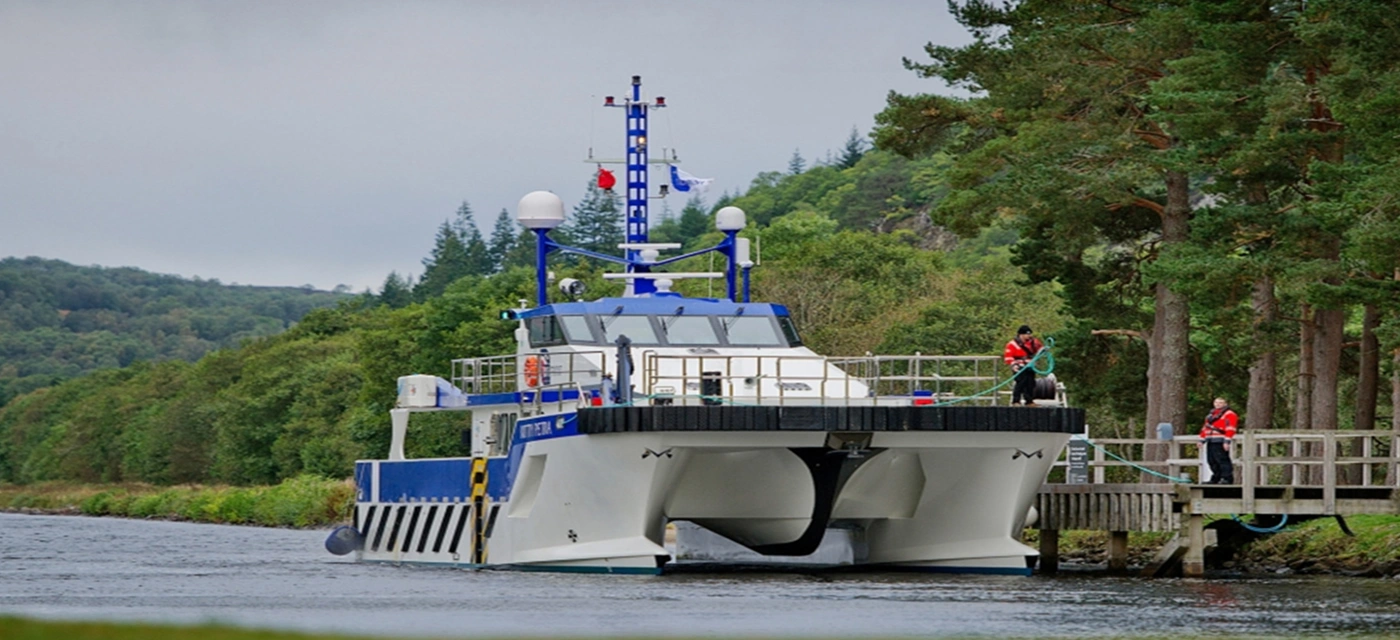
Supported by Inovate UK, MJR and partners design, build and successfully factory test a 250kW Offshore Charging System.

2022

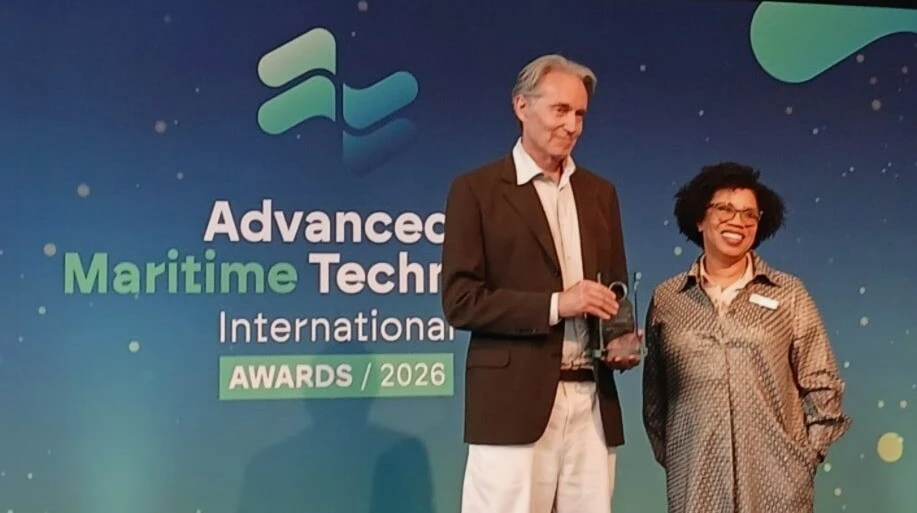
Supported by Innovate UK, MJR and partners design, build and factory test an 8MW prototype SOV Offshore Charging Connection System. Winner of RenewableUK Global Offshore Wind Supply Chain Innovation & European Commercial Marine Innovation Showcase Award.

2023

Successful harbour trials of prototype Offshore Charging System. First commercial order for 1.2MW Offshore Charging System.

2024

Successful offshore trials of prototype Offshore Charging System from a live wind farm substation (Parkwind Nobelwind). Charge Offshore, an MJR, Blackfish Engineering & Tidal Transit JV formed to commercialise Offshore Charging Solutions.

2025

Delivery & commissioning of 2MW capable Offshore Charging System. Launch of Aquarius ECO product for CTVs and type approval.

2026

Launch of Aquarius PLUS product for SOVs and type approval.

2027

Full product & service offering for Offshore Power & Charging Solutions.

journey-image
journey-image
journey-image
journey-image
journey-image
journey-image
journey-image
journey-image
journey-image
journey-image

[  Our Clients and Partners  ]

We are proud to count many of the largest and best-known offshore wind farm developers, owners and operators among our valued customer and partner base, alongside some of the world’s best known ship designers and builders, naval architects and marine consulting and assurance

Quality, safety and integrity sits at the very heart of everything that we do and is reflected in the trust that our customers place in us.

partner-image

[  FAQ  ]

Clear answers on our Safety-Focused technology

Why is offshore charging considered essential for wind O&M fleets?

Can offshore charging enable CTVs and SOVs to operate entirely electrically at wind farms?

Where is the charger installed, and how many are needed on site?

How safe are offshore charging operations for personnel, assets, and vessels?

Can a single charger unit service both CTVs and SOVs?

[  Latest News  ]

Insights and Milestones

Stay informed with our latest insights, project updates, and technical breakthroughs in offshore energy.

get-in-touch

[  Get in Touch  ]

Discuss newbuild or retrofit charging solutions with the Charge Offshore team.

Our team reviews every inquiry to ensure you get the right technical support. Expect to hear back from one of our experts within 5 working days

Thank you! Your submission has been received!
Oops! Something went wrong while submitting the form.